
An ECG device for examinations at home
This article summarises a piece published elsewhere and links to the original. The headline is the outlet’s. The sections on the recording itself and on the limits of the method are CardiSong’s own description.
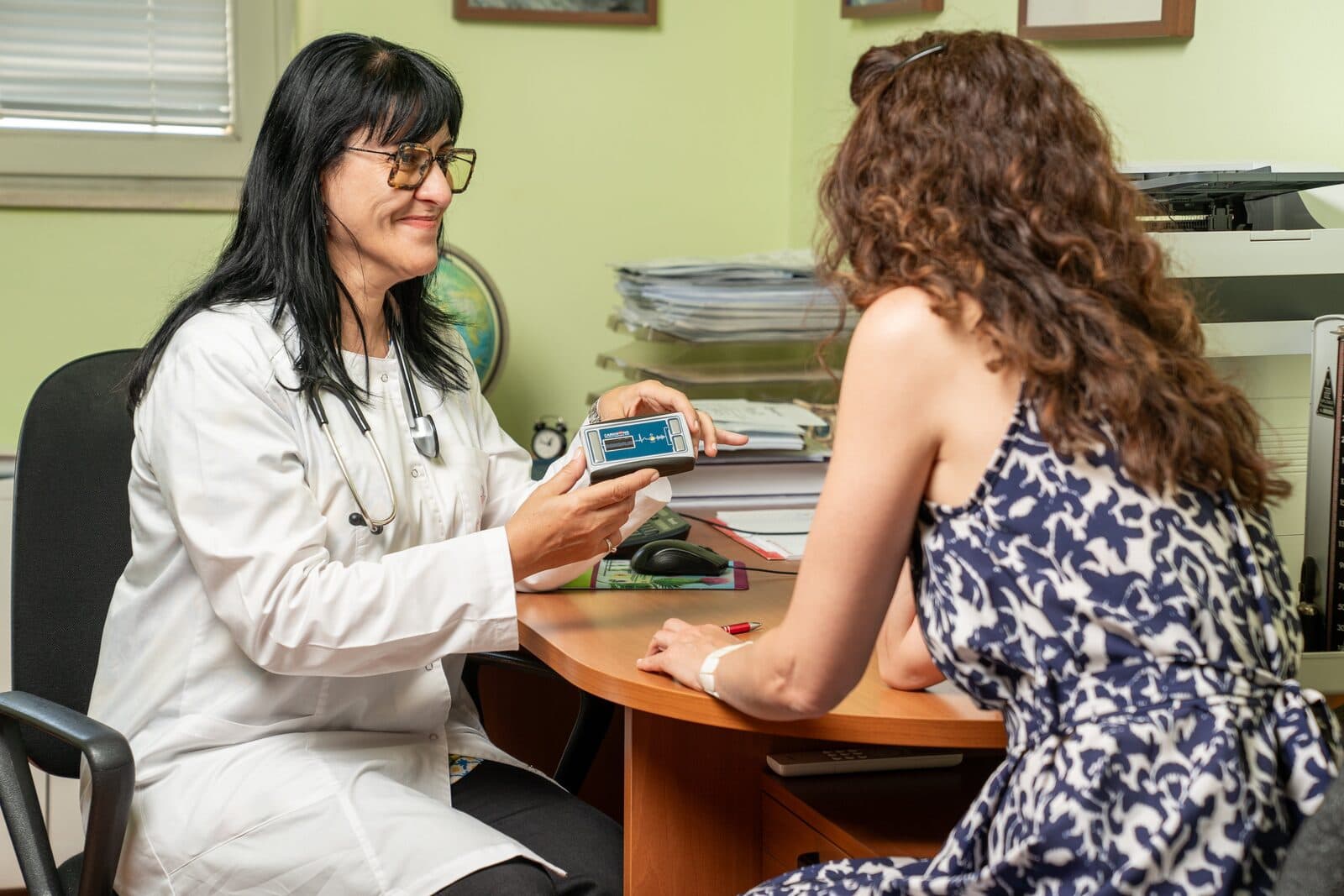
Clinica.bg reports on the creation of a portable telemetric ECG device with which a patient records at home and sends the recording remotely to a doctor. Below we summarise the article, then describe the recording itself and the limits of the method as CardiSong describes them.
What Clinica.bg reported
According to the outlet, a Bulgarian company has developed an innovative portable telemetric ECG device that lets patients perform a cardiac check-up at home and transmit the data remotely to a doctor. The outlet describes it as intended for the early diagnosis of cardiovascular conditions and for remote monitoring; that is the outlet's wording.
The patient records their own ECG, and the device converts the heart's electrical activity into an audio signal and transmits it to a doctor over the phone; the doctor then interprets the recording and provides guidance. This way, the article writes, episodes of arrhythmia can be captured in time, including in remote areas or in situations where visiting a doctor is difficult.
According to the article, the device was developed by the Biomedical Engineering Laboratory at the Centre of Excellence in Mechatronics and Clean Technologies at the Technical University of Sofia and has undergone clinical research in a university hospital setting.
CardiSong builds on this technology. The device records, the platform transmits and organises the recordings, and reading them and giving an opinion remain with the doctor.
What the recording is
The CardiSong device is pocket-sized: a shockproof case with a built-in electronic board, an ECG display, an audio transmitter, steel electrodes and a slot for two AA batteries. It has no cables and needs no internet.
You place the fingers of both hands on the electrodes, or hold the device against the chest at the spot your doctor has determined. A recording lasts about 20 seconds, with the bottom of the phone 2–3 cm from the device in a quiet place. The app checks the quality of the recording; if it is too quiet or too noisy, instructions appear on screen and you make a new one.
The finished audio file is sent encrypted to the platform. Without internet, the recording can also reach the platform through the CardiSong phone line.
What the doctor receives
The platform converts the audio file back into an electrocardiogram and files it with your earlier recordings in your doctor's profile. No diagnosis is made automatically: the doctor reads the signal and sends you their opinion through the platform. Only your doctor and you have access to your recordings. To start, you register with a doctor who works with CardiSong; the doctor decides when and how often you record.
What CardiSong does not replace
CardiSong does not provide continuous monitoring: it records only during a recording you start. It does not replace a prescribed Holter study, a standard 12-lead ECG or an examination by a specialist, and it does not diagnose. The final assessment is always made by a doctor.
Source: Clinica.bg
Read original